
"processing station"
2000 article(s) found

Ethiopia washed coffee beans 2020TOH champion Gujiulaga Uraga washed coffee
For more information on coffee beans, please follow the Coffee Workshop (official Wechat account cafe_style). In the 2020 TOH competition, the Sela Gejaba processing station from Gujiulaga, Ethiopia won the championship with 89.9 points. The champion coffee beans arrived in China in early December, and Qianjie Coffee was the first time to get these coffee beans.

Taste and flavor of Rwanda washed bourbon coffee characteristics of Rwanda washed bourbon
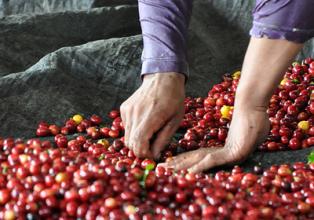
Professional baristas please follow the coffee workshop (Wechat official account cafe_style) Rwanda coffee, like many African countries, is mainly produced by small farmers, and the ripe coffee cherries are collected and sent to the processing station for processing every year at harvest time. During the annual harvest period, the ripe coffee berries picked by farmers are concentrated at the treatment station for treatment. they are first selected by hand to ensure that there is no immaturity.

A brief introduction to the planting Market Price of Fine Coffee Bean varieties with strong Flavor
Rwanda has been growing coffee since colonial times. Although the crops are mainly coffee, the quality of coffee produced in Rwanda is not outstanding, and its status in the coffee world is low, and few people pay attention to it. Most of the coffee varieties grown in Rwanda are bourbon. Rwanda, known as the country of Thousand Hills, has a high-altitude mountain environment, fertile volcanic soil and abundant precipitation.

Qianjie Cafe Rwanda Water Chinunu treatment Plant washed bourbon coffee beans
Details of coffee beans: country: Lake Kiev, Rwanda: Rutsiro, Kinunu treatment: washing grade: AA variety: bourbon species altitude: 1600 m roasting degree: moderate roasting plant: Chinunu treatment plant (Kinunu) [factory introduction] Rwandan coffee is mainly produced by small farmers, as in many African countries, and the coffee cherry is ripe during the annual harvest period.

Bourbon Variety-the story of coffee cultivation at the Bwayi washing plant in the MATONGO region of Burundi? Burundi
Professional coffee knowledge exchange more coffee bean information please follow the coffee workshop (Wechat official account cafe_style) bourbon variety-Burundi MATONGO production area Bwayi washing plant coffee planting story? How do you drink Burundian coffee? The Bwayi washing plant is located in the town of Matongo, Cayanza province, Burundi. An average of 4000 coffee producers contributed to Bwayi, of which 983

Boutique coffee Rwanda coffee origin Rwanda coffee practice
Rwandans have been growing coffee since colonial times, but until 1999, its products were still classified as below Class C and were not popular in the global market. The reason for the poor quality is that farmers do not have a fixed procedure for washing coffee beans and do not process coffee fruits according to specifications in time. Buyers buy coffee beans at $0.33 per kilogram, and farmers keep warm by the meagre profits earned at low prices.
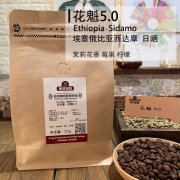
Characteristics of growing Environment of Coffee Bean Mountain Spring processing method Sidamo Fakui Coffee in Ethiopia
The area is more than 2000 meters above sea level. Few plantations are located at this altitude, which is why this naturally processed coffee has a rich fruity flavor and a sweet return of sugar. Huakui in Qianjie is from Shanquan treatment plant.
Fine coffee Rwanda Coffee characteristics introduction to Rwanda Coffee
Rwandans have been growing coffee since colonial times, but until 1999, its products were still classified as below Class C and were not popular in the global market. The reason for the poor quality is that farmers do not have a fixed procedure for washing coffee beans and do not process coffee fruits according to specifications in time. Buyers buy coffee beans at $0.33 per kilogram, and farmers keep warm by the meagre profits earned at low prices.

Fine coffee Rwanda coffee manor Rwanda coffee producing area
Rwandans have been growing coffee since colonial times, but until 1999, its products were still classified as below Class C and were not popular in the global market. The reason for the poor quality is that farmers do not have a fixed procedure for washing coffee beans and do not process coffee fruits according to specifications in time. Buyers buy coffee beans at $0.33 per kilogram, and farmers keep warm by the meagre profits earned at low prices.

Description of Burundian coffee flavor on GITWENGE farm in Burundi
For more information on coffee beans, please follow the Coffee Workshop (Wechat official account cafe_style) GITWENGE wins the Land Farm Story (GITWENGE 1302) the Gitwinger pulping station is one of 22 washing stations managed by SOGESTAL KAYANZA. It is located at an average elevation of 1400 meters. She has a wealth of professional coffee processing experience since 1990
Boutique coffee Rwanda coffee flavor red apple, cherry, cinnamon, honey
Rwandans have been growing coffee since colonial times, but until 1999, its products were still classified as below Class C and were not popular in the global market. The reason for the poor quality is that farmers do not have a fixed procedure for washing coffee beans and do not process coffee fruits according to specifications in time. Buyers buy coffee beans at $0.33 per kilogram, and farmers keep warm by the meagre profits earned at low prices.

Ethiopia Wolichu Wachu Wulichuachu processing Plant-Ethiopian Bourbon Coffee beans
Professional Coffee knowledge Exchange for more information on coffee beans please follow the new batch of Ethiopian coffee from the small processing plant in the coffee workshop (Wechat official account cafe_style) on the other side of the mountain. Altitude: 2100-2310 m area: Guji washing station: Walichu Wachu (Wali out) bean seed: Ethiopian native species Ethiopian Heirloom washing place

Introduction to the producing area of Malaba Coffee Flavor Manor
In 2000, the Mayor of Malaba requested development assistance from the National University of Rwanda (UNR), which is located near the city of Butare, and the following year, the National University of Rwanda assisted in the establishment of the Joint strengthening Rwanda Agricultural Partnership (PEARL). PEARL is also supported by several organizations: the United States Agency for International Development (USAID), Michigan State University, Texas A & M University, and
Fine coffee Rwanda coffee treatment method washing, elevated scaffolding sun drying
Rwandans have been growing coffee since colonial times, but until 1999, its products were still classified as below Class C and were not popular in the global market. The reason for the poor quality is that farmers do not have a fixed procedure for washing coffee beans and do not process coffee fruits according to specifications in time. Buyers buy coffee beans at $0.33 per kilogram, and farmers keep warm by the meagre profits earned at low prices.
Boutique coffee Rwanda coffee origin Rwanda coffee practice
Rwandans have been growing coffee since colonial times, but until 1999, its products were still classified as below Class C and were not popular in the global market. The reason for the poor quality is that farmers do not have a fixed procedure for washing coffee beans and do not process coffee fruits according to specifications in time. Buyers buy coffee beans at $0.33 per kilogram, and farmers keep warm by the meagre profits earned at low prices.
Fine coffee Rwanda coffee manor Rwanda coffee producing area
Rwandans have been growing coffee since colonial times, but until 1999, its products were still classified as below Class C and were not popular in the global market. The reason for the poor quality is that farmers do not have a fixed procedure for washing coffee beans and do not process coffee fruits according to specifications in time. Buyers buy coffee beans at $0.33 per kilogram, and farmers keep warm by the meagre profits earned at low prices.

Boutique coffee Rwanda coffee producing area in the western province of Lutexilo
Rwandans have been growing coffee since colonial times, but until 1999, its products were still classified as below Class C and were not popular in the global market. The reason for the poor quality is that farmers do not have a fixed procedure for washing coffee beans and do not process coffee fruits according to specifications in time. Buyers buy coffee beans at $0.33 per kilogram, and farmers keep warm by the meagre profits earned at low prices.
Sugar cane juice, red wine acid Kenyan Jinchugu coffee flavor, characteristics, taste and manor introduction
Enbu processing Plant (Embu Washing Station), which comes from Gichugu, adopts Kenyan double washing method and grows in Manyata-Enbu County on the eastern slope of the Kenyan Mountains from 1550 to 1750. The variety is Kenya's classic SL28,SL34, coupled with the large temperature difference between day and night in the deceived area, and the red phosphoric acid soil in Kenya, which makes the sour and sweet become the second order of this Kenyan branch.

Red wine acidity, Sugar cane juice, Kenyan Jinchugu coffee flavor, characteristics, taste and manor introduction
Enbu processing Plant (Embu Washing Station), which comes from Gichugu, adopts Kenyan double washing method and grows in Manyata-Enbu County on the eastern slope of the Kenyan Mountains from 1550 to 1750. The variety is Kenya's classic SL28,SL34, coupled with the large temperature difference between day and night in the deceived area, and the red phosphoric acid soil in Kenya, which makes the sour and sweet become the second order of this Kenyan branch.

Sugar cane juice, sour red wine, Kenyan Jinchugu coffee flavor, characteristics, taste and manor introduction
Enbu processing Plant (Embu Washing Station), which comes from Gichugu, adopts Kenyan double washing method and grows in Manyata-Enbu County on the eastern slope of the Kenyan Mountains from 1550 to 1750. The variety is Kenya's classic SL28,SL34, coupled with the large temperature difference between day and night in the deceived area, and the red phosphoric acid soil in Kenya, which makes the sour and sweet become the second order of this Kenyan branch.